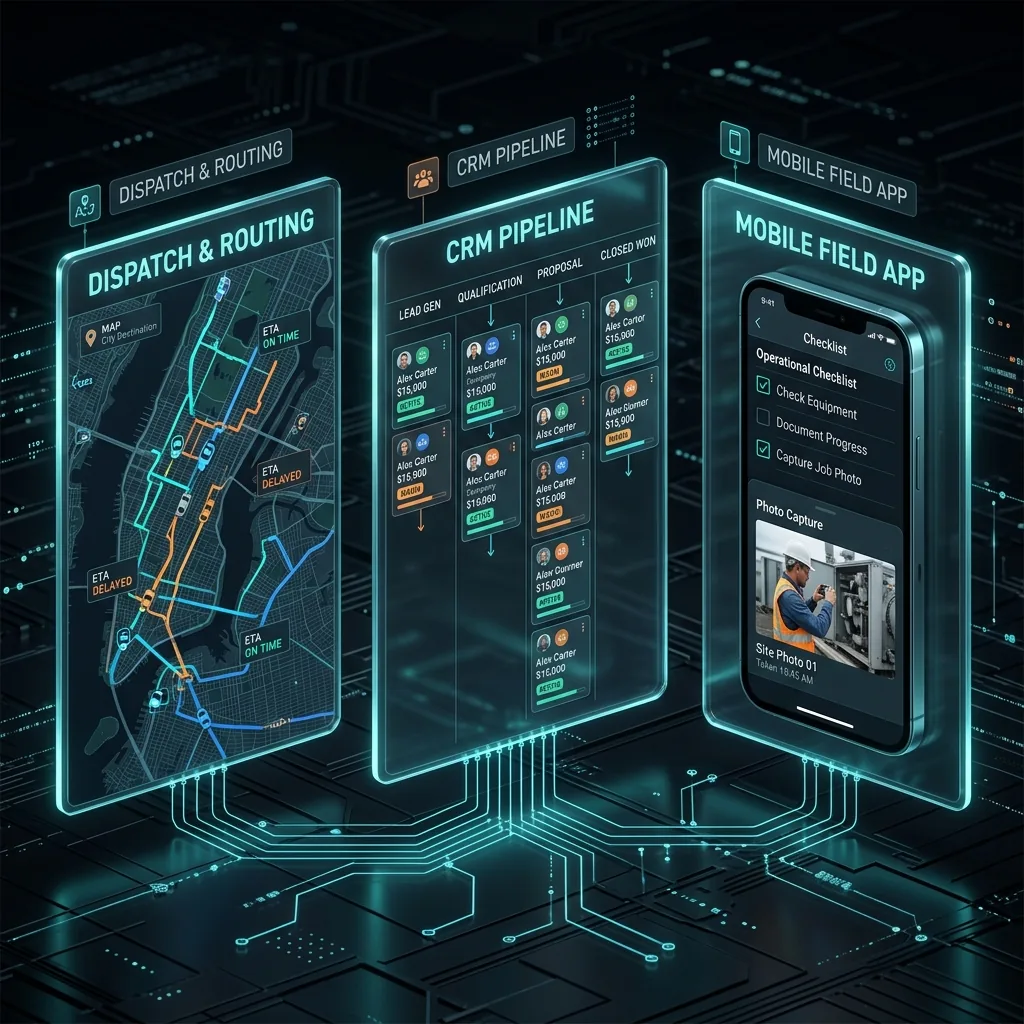
Field service automation in 2026 rests on three pillars: dispatch intelligence, lead-to-invoice workflows, and real-time field data capture. Service businesses implementing these see 20-35% cost reduction and 26-66% productivity gains in year one. Start with your biggest bottleneck.
The global field service management market is projected to hit $9.7 billion by 2030, driven by one unstoppable force: service businesses that automate outperform those that don't. Not by marginal improvements - by fundamental operational superiority.
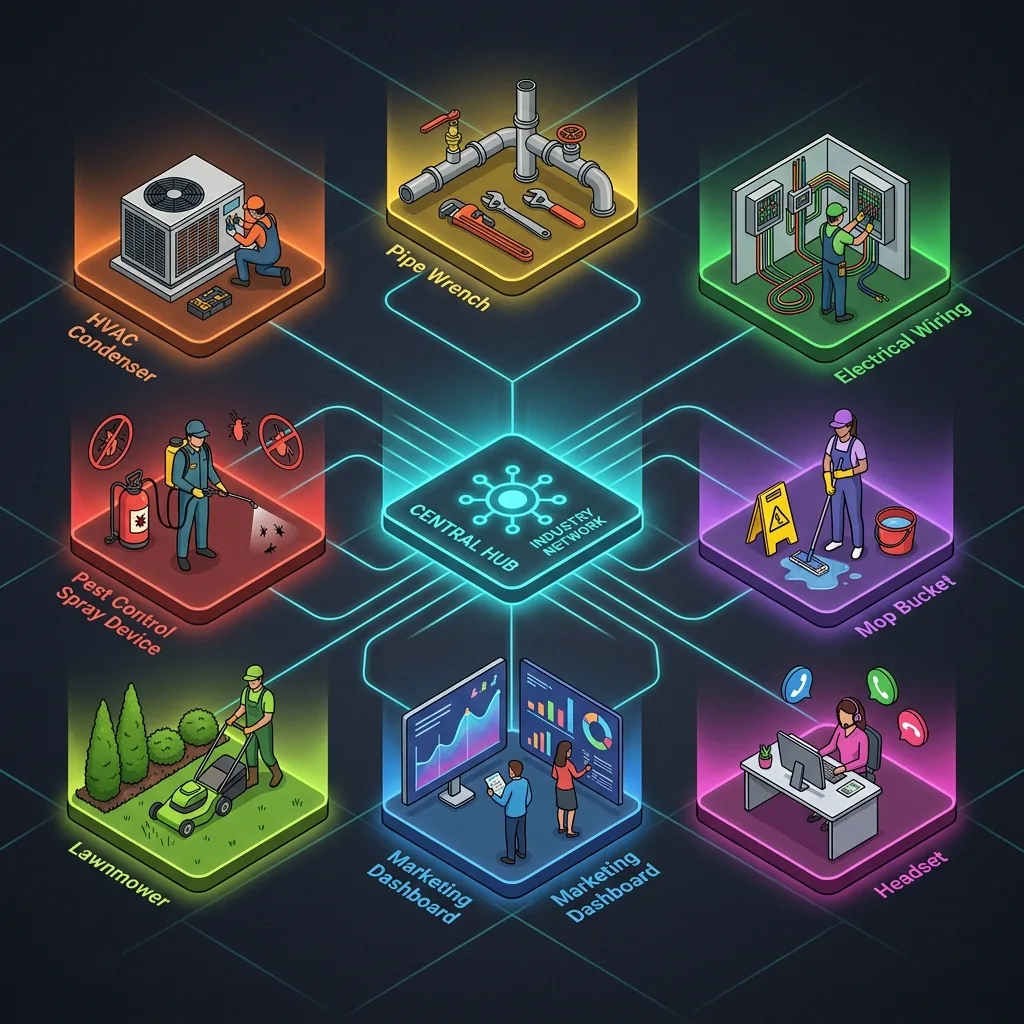
This guide covers every service business type - HVAC, plumbing, electrical, pest control, cleaning, landscaping, agencies, call centers - because the automation fundamentals are universal. If you dispatch people to do work, this is your playbook. For the HVAC-specific deep dive, see our HVAC software guide.
What is Field Service Automation Software?
Field service automation software is a category of business platform that digitizes and automates the operational workflows of companies that send technicians, cleaners, or contractors into the field. Unlike a basic scheduling app, field service automation software connects every step of the business cycle - from the first inbound call to the final customer review - into a single, intelligent system.
The best field service automation software in 2026 addresses:
- Inbound lead capture (phone, web form, referral) with instant automated follow-up
- Intelligent dispatch with skills-based assignment and route optimization
- Mobile field tools for technicians (checklists, photos, on-site invoicing)
- Post-job automation (payment collection, review requests, maintenance scheduling)
The Three Pillars of Service Automation
Every service business operates on the same fundamental loop:
1. Get the lead → 2. Schedule and dispatch → 3. Complete the work → 4. Invoice and follow up
Automation transforms each step from manual, error-prone, and slow into intelligent, connected, and fast.
Pillar 1: Dispatch Intelligence
Manual dispatch is the single most expensive bottleneck in service operations. A coordinator looking at a whiteboard makes decisions that cost thousands of dollars in lost efficiency daily. To see how 6 platforms compare on dispatch, read our dispatch software comparison.
AI-powered dispatch automates:
- Route optimization - Every tech's day is sequenced to minimize drive time and maximize job completions
- Skill matching - The right tech with the right certifications is assigned automatically
- Dynamic re-scheduling - When a job runs long or a customer cancels, the system re-optimizes in real-time
- Emergency prioritization - Urgent calls automatically interrupt and re-sequence the schedule based on severity and proximity
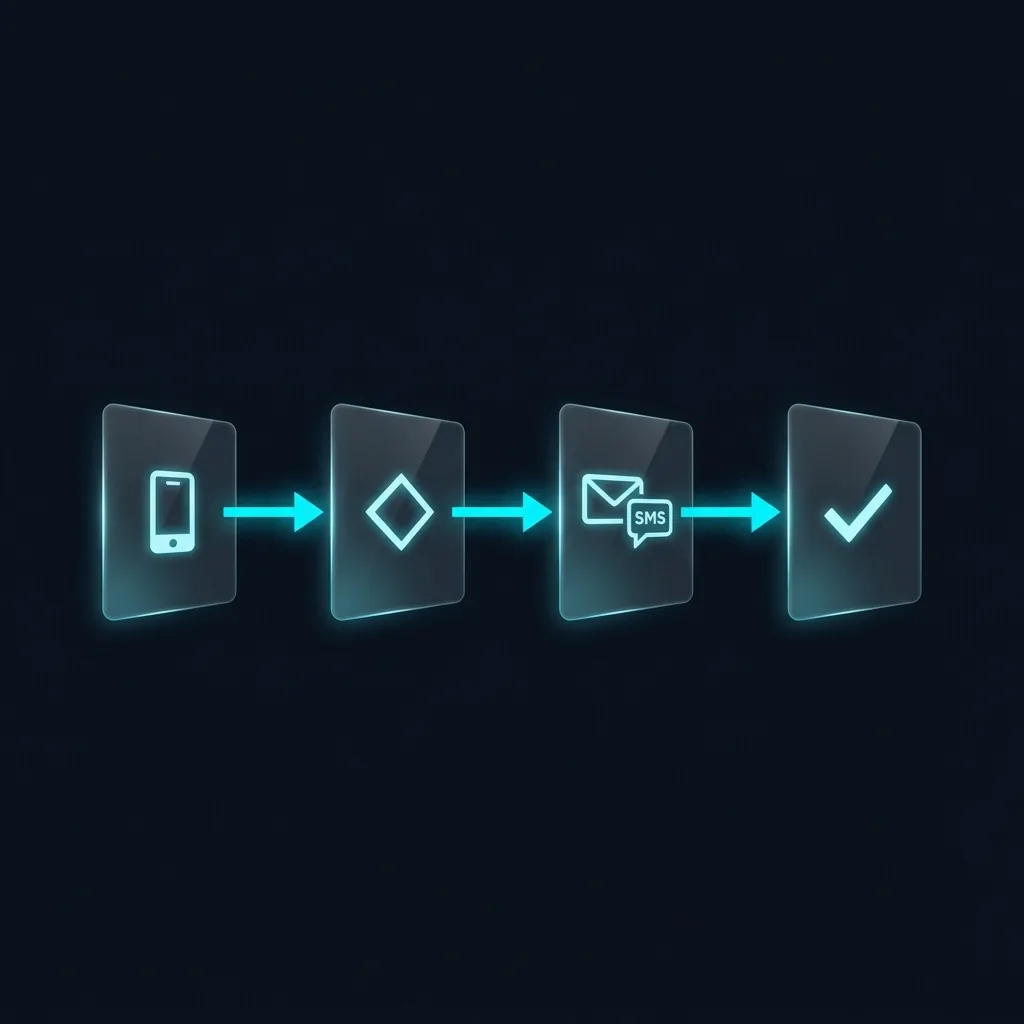
Pillar 2: Lead-to-Invoice Workflows
The average service business touches a lead 7-12 times between first contact and paid invoice. Each touchpoint is a chance for the lead to fall through the cracks.
Automated lead-to-invoice workflow:
- Lead arrives (phone call, form submission, referral) → Contact auto-created in CRM
- Instant follow-up - Within 60 seconds: text confirmation, email with booking link, rep notified
- Appointment booked → Calendar confirmed, tech assigned, customer gets reminder sequence
- Job completed → Digital checklist completed, photos uploaded, invoice auto-generated
- Payment collected → Receipt sent, review request triggered, maintenance follow-up scheduled
The entire sequence runs without a single manual step after initial configuration.
Pillar 3: Real-Time Field Intelligence
Your techs are your eyes in the field. Without automation, 90% of what they see, learn, and do is lost - never captured, never analyzed, never acted upon.
Field intelligence automation captures:
- Job photos with automatic cloud sync and customer attachment
- Digital checklists with timestamp and GPS verification
- Elapsed time tracking for accurate labor billing
- On-site estimates and invoices generated from mobile devices
- Customer equipment data - model numbers, installation dates, warranty status
This data becomes the foundation for predictive maintenance, cross-sell opportunities, and operational analytics that manual processes simply cannot support.
Industry-Specific Automation Playbooks
| Industry | Top Automation Priority | Expected ROI Impact |
|---|---|---|
| HVAC | Seasonal maintenance contract automation | +35% recurring revenue |
| Plumbing | Emergency dispatch with AI routing | +45% jobs/tech/day |
| Electrical | Multi-day project scheduling + permit tracking | -60% scheduling errors |
| Pest Control | Recurring route optimization | +30% route efficiency |
| Cleaning | Crew management + quality verification | -40% customer complaints |
| Landscaping | Seasonal scheduling + crew allocation | +25% capacity utilization |
| Agencies | Multi-client pipeline + white-label delivery | +50% client onboarding speed |
| Call Centers | Built-in dialer + AI transcription | +40-60% call volume |
Your 90-Day Automation Roadmap
Days 1-7: Foundation - Set up CRM, import contacts, configure pipeline stages, connect your phone system.
Days 8-30: Quick Wins - Automate lead follow-up sequences, set up appointment reminders, enable on-site invoicing.
Days 31-60: Dispatch & Field - Configure dispatch board, enable GPS tracking, deploy mobile app to techs, set up digital checklists.
Days 61-90: Intelligence - Analyze first month of data, refine automation rules, expand to marketing automation (review requests, maintenance reminders, referral programs).
Chillead is built for this exact progression. From CRM setup on day one to AI-powered dispatch optimization in week four - every tool you need is included with usage-based pricing. No per-seat fee.