Electrical contractors need software that handles multi-day projects, permit tracking, crew certifications, and on-site estimates - not just single-visit service calls. Most FSM tools weren't built for this complexity. Here's what to look for.
Electrical contracting is a service business with unique operational demands. You're not just dispatching a tech to fix a thermostat - you're managing multi-day wiring projects, tracking permits and inspections, coordinating licensed crews, and generating complex estimates that might include 50+ line items.
Most field service software was designed for HVAC and plumbing - single visit, single tech, simple invoice. Electrical contractors need more.
Why Electrical Contractors Need Different Software
The core difference: electrical work often spans multiple days, multiple crew members, and multiple inspection checkpoints. Your software needs to support:
- A 3-day panel upgrade that requires the same crew each day
- Permit submissions that must happen before work begins
- Inspection scheduling that's coordinated with the city, not just your calendar
- Apprentice-to-journeyman ratios that comply with local licensing requirements
Must-Have Features
Based on real-world electrical contractor workflows, these features are non-negotiable:
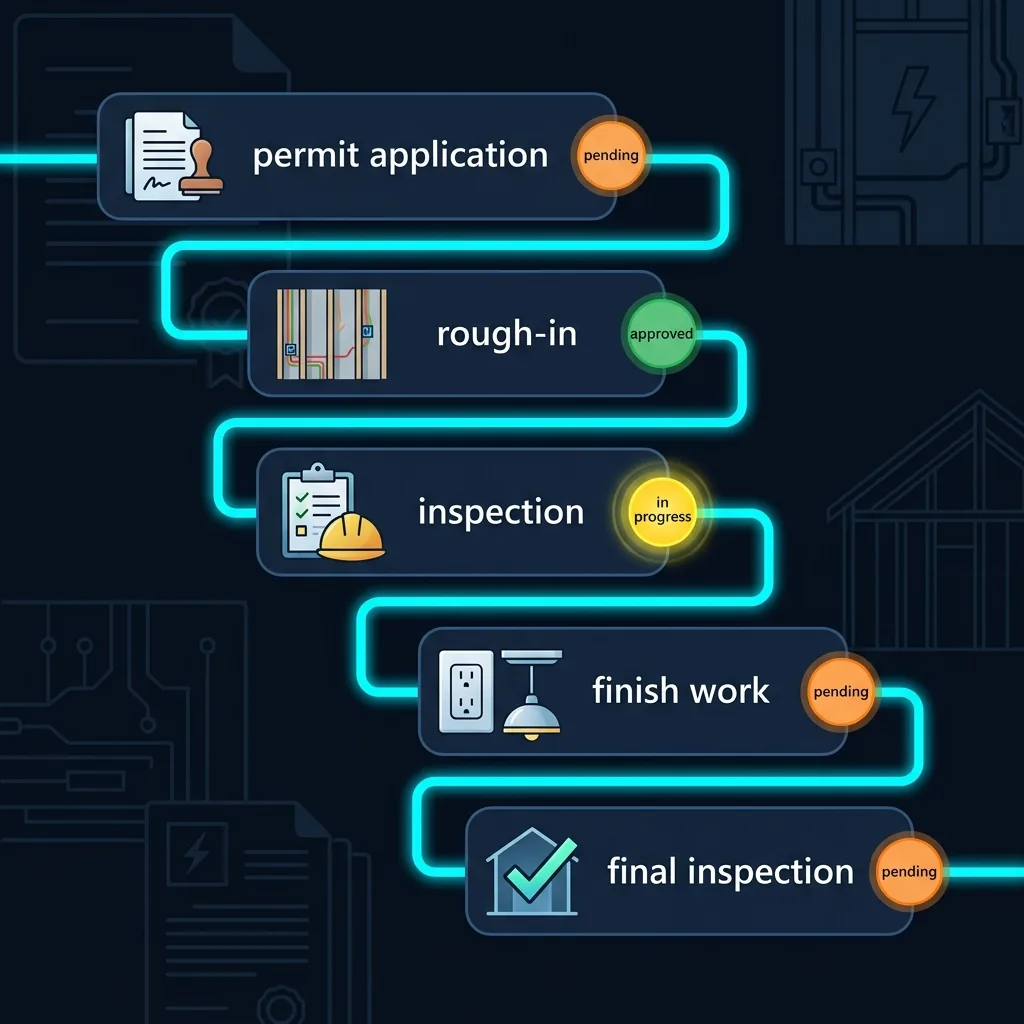
1. Pipeline-Based CRM - Track every lead from initial inquiry through estimate, permit, scheduling, execution, inspection, and final invoice. This isn't a single-step process - it's a multi-week pipeline.
2. Multi-Day Dispatch - Schedule a crew for Tuesday, Wednesday, Thursday on a commercial wiring project, with different technicians assigned to different phases.
3. On-Site Estimate Builder - Your electrician is at the job site. The customer asks "how much for a whole-panel upgrade?" Your tech should be able to build and send that estimate from their phone - with real pricing and parts - in 5 minutes.
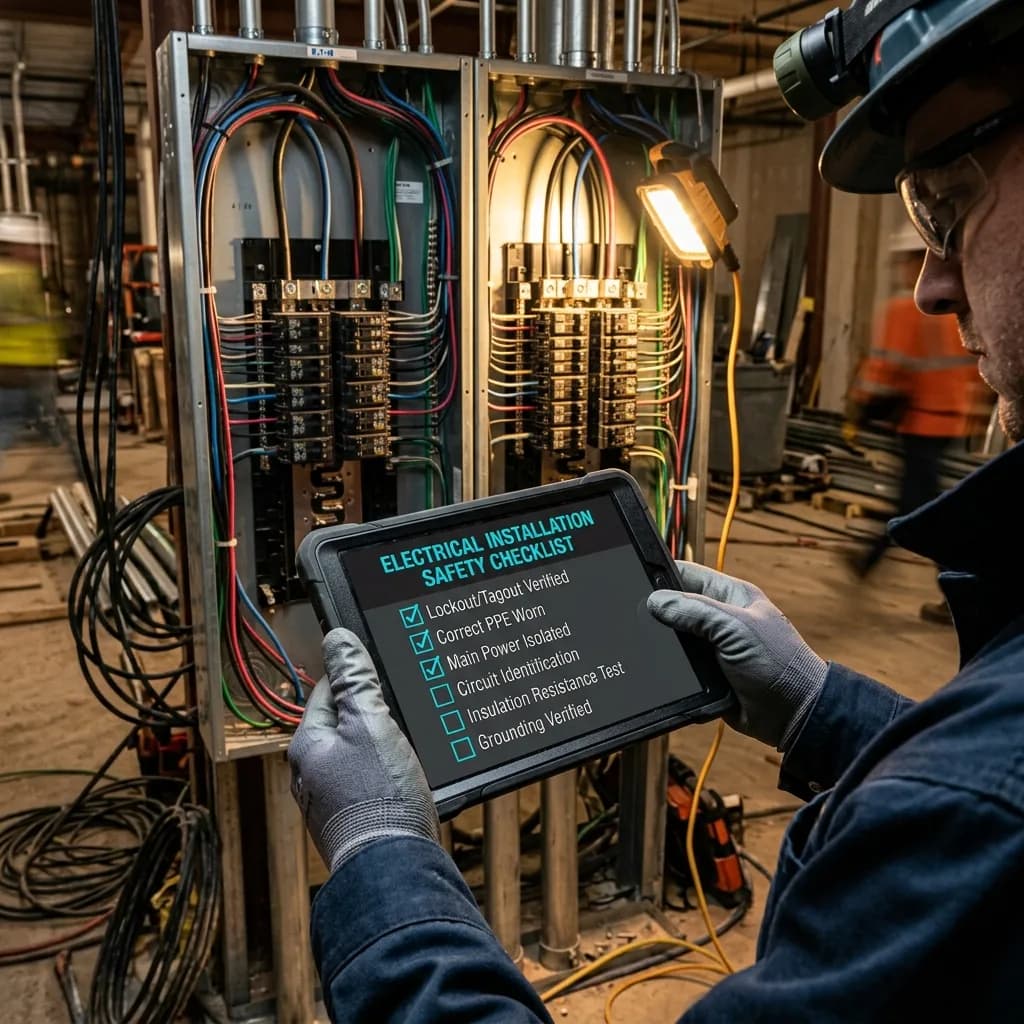
4. Digital Checklists - Pre-inspection, post-installation, and safety checklists that are completed digitally, timestamped, and attached to the job record.
5. Certification Tracking - Know which techs are licensed for which voltage levels and specialty work. Prevent scheduling mistakes that could result in code violations.
Multi-Day Project Scheduling
This is where most FSM platforms fall short. They're built for "assign one tech to one time slot." Electrical work requires:
- Blocking multiple consecutive days for a single project
- Assigning different crew members to different phases
- Adjusting the timeline when inspections get delayed
- Tracking total labor hours across the project for accurate invoicing
On-Site Estimates That Close

The old workflow: electrician visits the site, takes notes, drives back to the office, types up an estimate, emails it to the customer, waits 3-7 days for a response, follows up.
The new workflow: electrician visits the site, builds the estimate on their phone with pre-loaded pricing, sends it to the customer's email and phone while still standing in their kitchen, gets approval with a digital signature. Done. Move on to the next job.
Compliance & Certification Tracking
Electrical work is one of the most heavily regulated service industries. Your software should automatically:
- Track journeyman, master, and apprentice licenses with expiration dates
- Alert you 30/60/90 days before certifications expire
- Prevent scheduling of unlicensed workers to restricted job types
- Maintain digital records for audit trails
Choosing the Right Platform
You need a platform that treats your business as the multi-phase, compliance-heavy service operation it actually is. Chillead's customizable pipelines, multi-day dispatch, digital checklists, field quotes, and certification tracking with usage-based pricing and no per-seat fee give electrical contractors enterprise capabilities without enterprise complexity or cost.